Edmond vs Oklahoma City Living: Which Routine Fits?
June 11, 2026
June 11, 2026
If you are trying to choose between Edmond and Oklahoma City, the real question is not which place is "better." It is which daily routine fits you best. Your commute, housing options, weekend plans, and even how much space you want at home can all feel different depending on which side of the metro you choose. This guide breaks down how everyday living compares so you can make a more confident move. Let’s dive in.
Edmond is a separate city just north of Oklahoma City, with Downtown Oklahoma City sitting about 15 miles south via I-35. The scale difference alone shapes daily life in a big way. Edmond has about 100,479 residents, while Oklahoma City has about 712,919 and spans far more land area.
That usually means Edmond feels more suburban and self-contained, while central Oklahoma City feels larger, denser, and more varied from one district to the next. If you are deciding where to live, this often comes down to a simple tradeoff. Edmond tends to offer a quieter residential feel, while central Oklahoma City offers a more urban, district-based lifestyle.
At first glance, commute times look surprisingly similar. Census data shows a mean travel time to work of 23.3 minutes in Edmond and 22.2 minutes in Oklahoma City. So for many buyers, the difference is less about the clock and more about the kind of trip you make every day.
If you live in Edmond and work closer to the core, your routine may center on north-south travel along I-35. If you live in central Oklahoma City, you are often closer to downtown jobs, services, and entertainment districts from the start. That can change how often you need to drive longer distances for errands or a night out.
Central Oklahoma City also has a streetcar that connects Downtown, Bricktown, Automobile Alley, and Midtown. That gives residents another option for short trips between popular areas. Edmond does have a walkable downtown core, but most day-to-day movement across the city still lines up more with a suburban driving pattern.
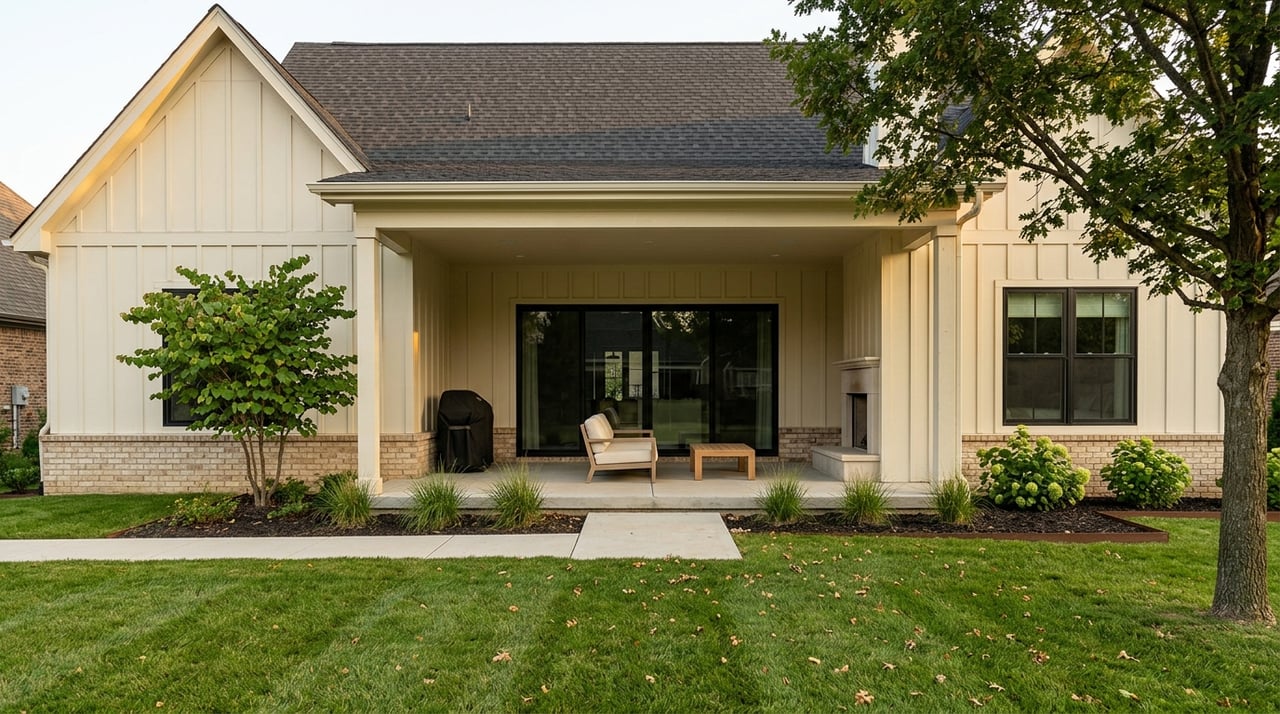
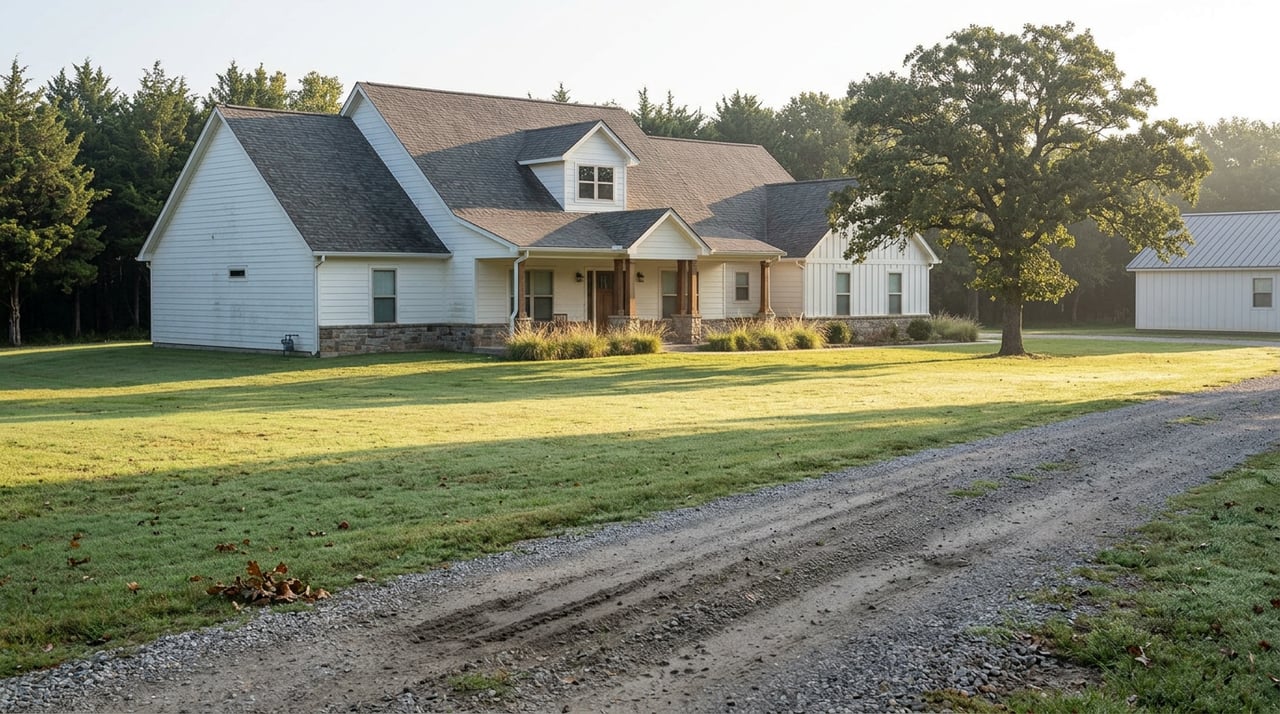
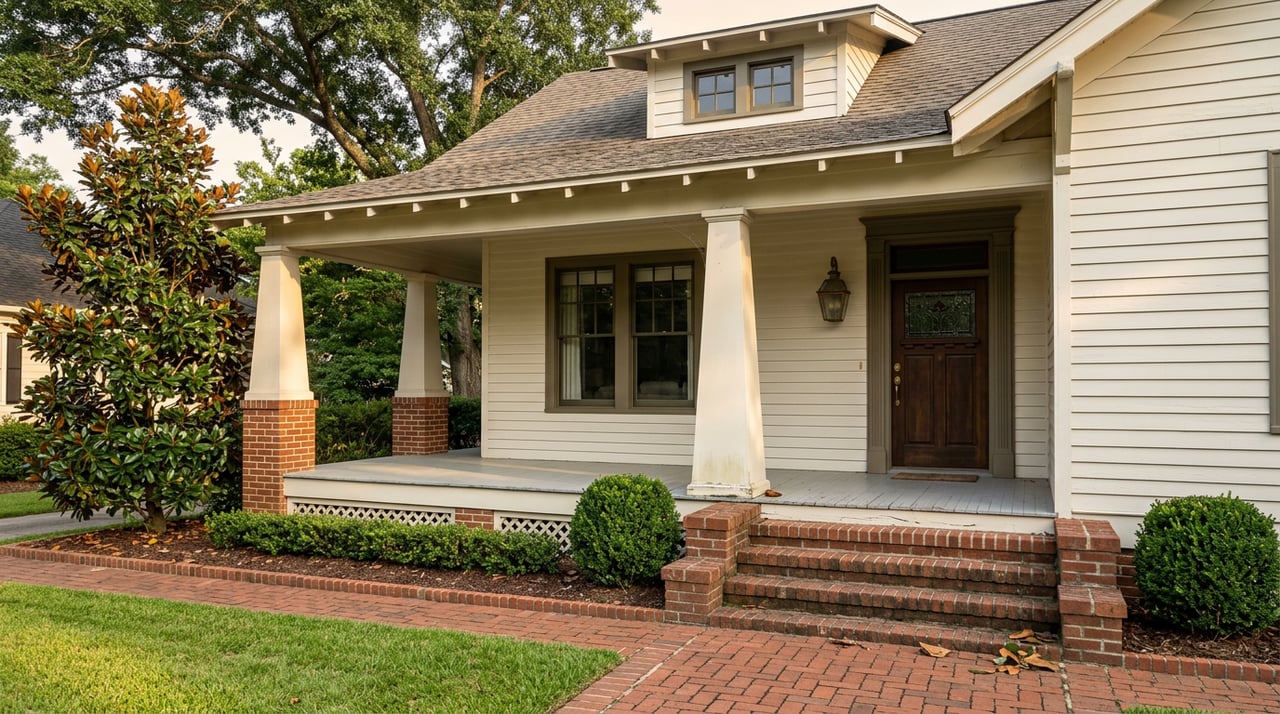
For many people, housing is where the Edmond versus Oklahoma City decision becomes clearest. Edmond’s housing stock leans heavily toward single-family homes. According to the city’s housing assessment, about 86% of Edmond housing units are single-family, and only about 12% are multifamily.
Edmond also trends newer than a typical central-city mix. Only about 10% of structures were built before 1970, about 14% were built in 2010 or later, and the median age of housing units is 30 years. From 2010 to 2022, about 94% of housing permits issued in Edmond were for single-family homes.
That helps explain why Edmond often appeals to buyers looking for a more conventional suburban setup. Recent for-sale listings cited in the city assessment commonly ranged from 1,700 to 2,500 square feet with 3 to 5 bedrooms, with prices around $250,000 to $450,000 and a median of $364,200. At the same time, the safest takeaway is not one exact number, but the broader pattern: Edmond is generally the higher-priced, mostly single-family side of the metro.
Current Census figures support that bigger-picture view. Edmond’s median value of owner-occupied housing units is $351,400, compared with $231,300 in Oklahoma City. Median gross rent is also higher in Edmond at $1,344 versus $1,083 in Oklahoma City.
The layout of each area also affects how daily life feels once you are home. Edmond zoning includes lower-density residential standards, with examples like a minimum net lot area of 30,000 square feet in its R-4 district. In practical terms, Edmond is more likely to offer larger yards and a familiar subdivision pattern.
Oklahoma City has a broader range of residential formats. Planning standards include some urban residential areas with 6,000-square-foot minimum lots, and some downtown design districts have no minimum lot size. That creates more variety, including compact infill, townhomes, apartments, and smaller-lot urban neighborhoods.
If outdoor space is high on your list, Edmond may feel like the stronger match. If you want more housing variety and do not mind a more compact footprint, central Oklahoma City may give you more options.
Your everyday lifestyle is not only about the house. It is also about where you grab coffee, meet friends, shop, or spend a Saturday afternoon. This is another area where Edmond and central Oklahoma City offer different rhythms.
Downtown Edmond is described by the city as the heart of the community, with a pedestrian-friendly atmosphere where you can live, shop, relax, and enjoy an urban lifestyle. It offers walkable streets, local businesses, public parking, and community activity centered around the downtown core. For many residents, that gives Edmond a strong local center without feeling like a major urban district.
Festival Market Place adds another community-focused destination with the farmers market and other events. If you like the idea of having a recognizable hometown center for everyday outings, Edmond stands out here. It feels more concentrated and locally focused than a multi-district city experience.
Edmond also offers strong outdoor amenities for day-to-day recreation. Mitch Park covers 280 acres and includes five miles of paved multi-use trails, disc golf, playgrounds, courts, a skate park, an amphitheater, and an athletic complex. Arcadia Lake adds options like camping, fishing, hiking, boating, skiing, and swimming.
That mix supports a lifestyle where recreation is often built around parks, trails, and lake time. If your weekends usually involve outdoor space rather than hopping between entertainment districts, Edmond may fit naturally.
Central Oklahoma City offers a different kind of convenience. Instead of one primary local center, it gives you a collection of walkable districts with different personalities and uses. Areas like Midtown, the Plaza District, Bricktown, and Paseo bring together restaurants, retail, galleries, entertainment, and services in concentrated pockets.
Scissortail Park adds a 70-acre urban park in downtown Oklahoma City, and the streetcar helps connect parts of the core. This creates a more layered lifestyle, where your week might include dinner in one district, an event in another, and shopping in a third. For buyers who want more variety close at hand, central Oklahoma City often has the edge.
If you are relocating or moving within the metro, it helps to think less about city names and more about your priority list. Edmond and central Oklahoma City both work well for different reasons. The better choice depends on how you want your days to feel.
Edmond may be the better fit if you want:
Central Oklahoma City may be the better fit if you want:
Neither choice is one-size-fits-all. What matters most is how your home, commute, budget, and routine work together.
Before you decide, it can help to compare both areas with a simple framework. Focus on what affects your real life, not just what looks good in a listing photo. A home can be a great value on paper and still not fit your day-to-day routine.
Here are a few smart questions to ask yourself:
When you answer those questions honestly, the right area often becomes much clearer. That is especially true if you are balancing budget, lifestyle, and long-term plans all at once.
Choosing between Edmond and Oklahoma City is really about matching your home to your routine. If you want help comparing neighborhoods, weighing tradeoffs, or building a strategy that fits your move, connect with David Oberfield for clear, local guidance.
Stay up to date on the latest real estate trends.
Experience a real estate partnership built on trust, expertise, and genuine care. We bring a lifelong understanding of what “home” truly means to every client and every decision. Making the difference between "For Sale" and "Sold".