Mustang OK Housing Options: Neighborhoods vs Acreage
June 25, 2026
June 25, 2026
Choosing between a neighborhood home and an acreage property in Mustang is not just about how much land you want. It is also about how you want to live day to day, what systems you want to manage, and which costs may show up after closing. If you are weighing both options, this guide will help you compare convenience, flexibility, upkeep, and planning points that matter in Mustang. Let’s dive in.
In Mustang, housing sits within a structured local framework. The city says every property has a zoning classification, and zoning affects land use, density, lot layout, building location, landscaped space, and parking.
That matters because a home in a neighborhood subdivision and a home on acreage can function very differently, even if both share a Mustang address. In general, subdivision living tends to be more standardized, while acreage living often gives you more room with more owner responsibility.
The city also notes that sidewalks are required in most residential areas, and proposed improvements and utility extensions are reviewed before installation. That helps explain why many neighborhood settings feel more uniform and service-oriented than semi-rural parcels.
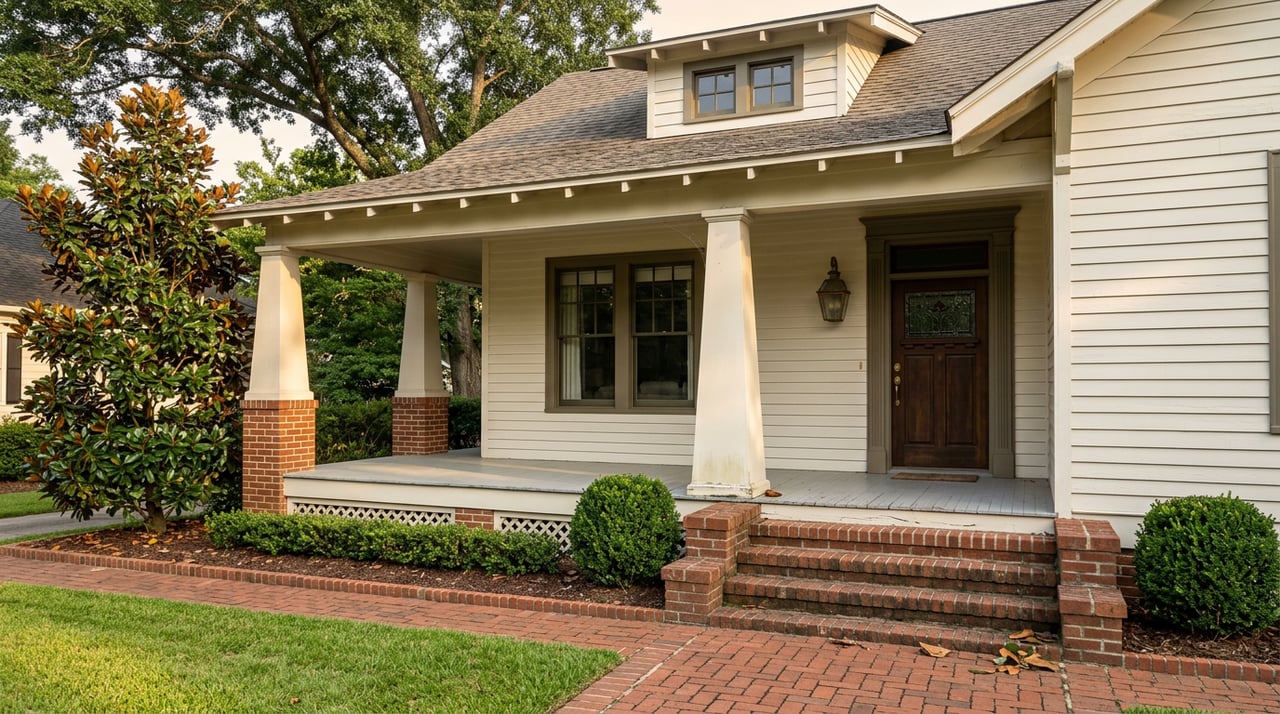
Neighborhood living usually appeals to buyers who want predictability and convenience. In many subdivisions, the layout, utility access, and day-to-day services are already established, which can make your move feel simpler.
Mustang's public works and sanitation setup adds to that convenience. Wright Water handles water distribution and sanitary sewer services, while Silver Star Construction handles road maintenance, right-of-way mowing, and park maintenance. The city also offers curbside recycling and periodic residential clean-up events for sanitation customers.
That does not mean neighborhood living comes without rules. Mustang requires permits for new fences and fence changes, and residential fence rules limit front-yard fences to 3 feet and other residential fences to 6 feet.
You may also face a second layer of rules through an HOA or private deed restrictions. The city states that its Community Development Department does not enforce subdivision covenants or deed restrictions, so you will need to review those documents separately before you buy.
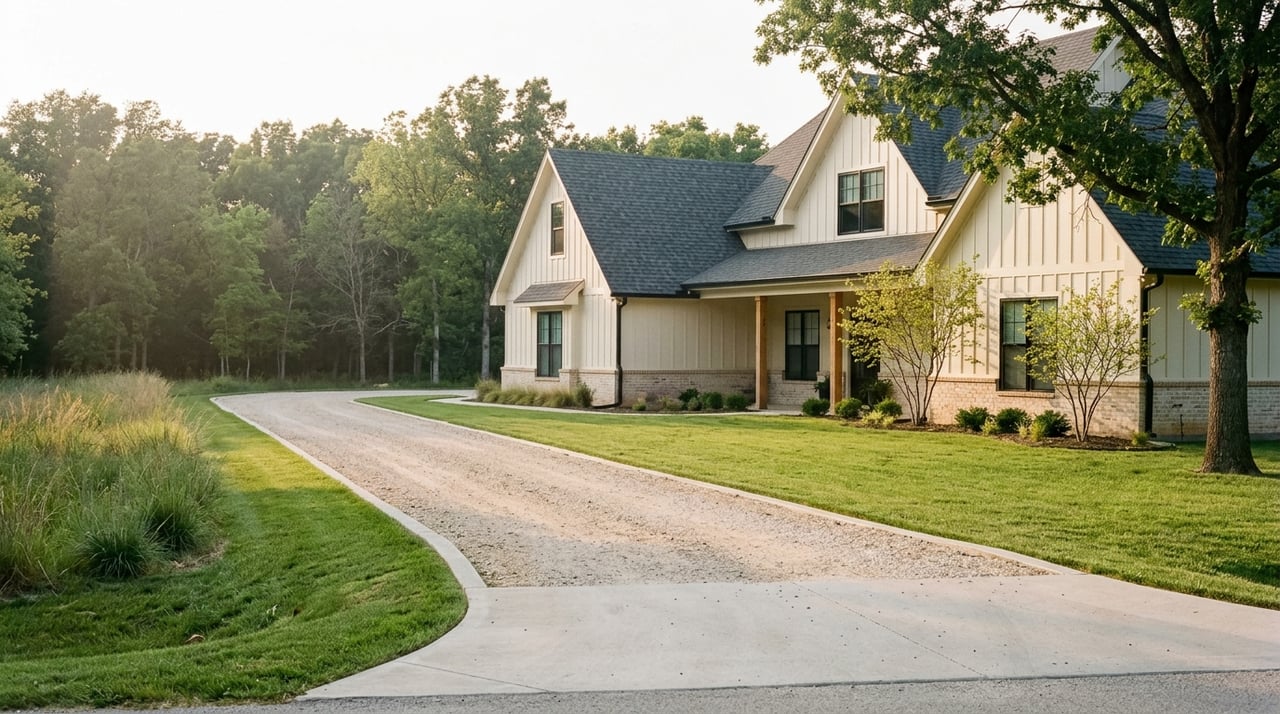
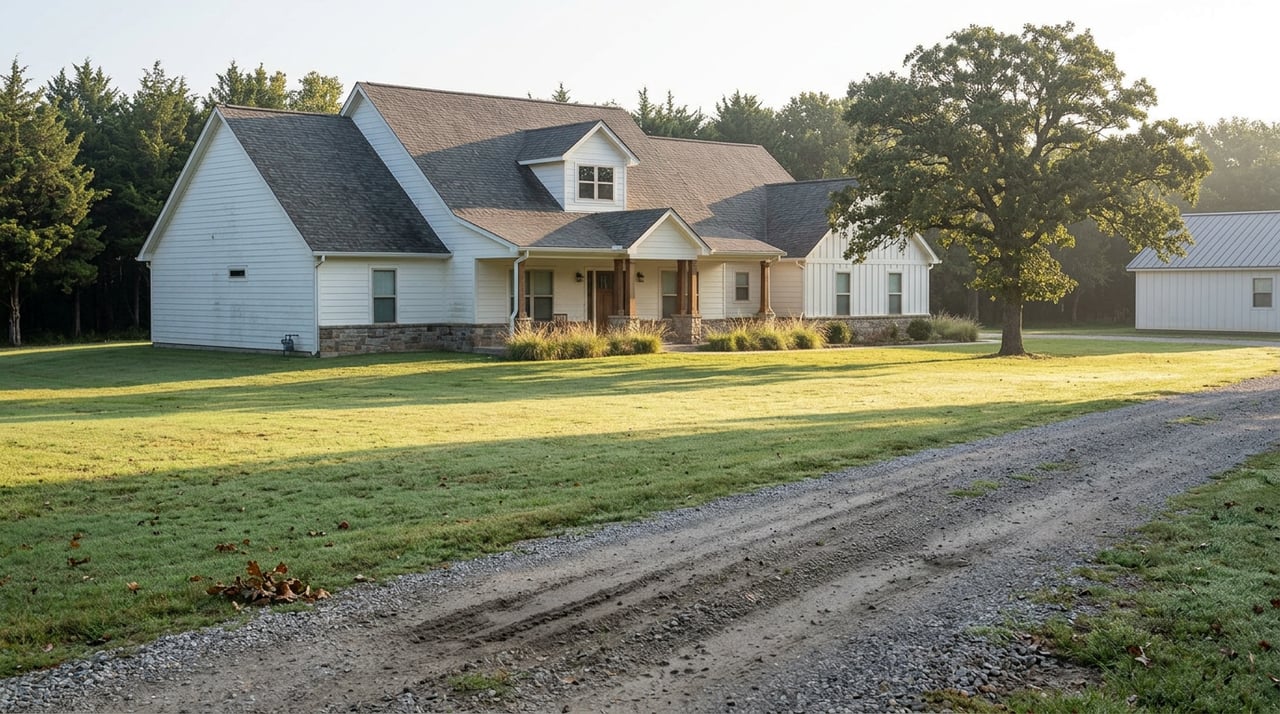
Acreage properties often attract buyers who want more space, privacy, or room for future projects. That extra flexibility can be appealing, especially if you are thinking about outbuildings, a larger yard, or a more semi-rural feel.
At the same time, acreage often shifts more planning and maintenance to you. Depending on the location, an acreage property may not connect to the same utility systems as a typical neighborhood lot, and that can affect both your budget and your daily routine.
The closer a property is to city infrastructure, the more it may behave like a conventional residential lot. The farther it is from public utilities and established neighborhood improvements, the more important it becomes to understand septic, access, fire-safety requirements, and land-use rules before you commit.
One of the biggest differences between neighborhood homes and acreage properties in Mustang is infrastructure. A property may look ideal on paper, but utility access can strongly affect how convenient and costly it is to own.
Mustang says a municipal water connection is required for any lot within 300 feet of a water main. The city also says public sanitary sewer is required whenever a subdivision is proposed within 1,320 feet of an interceptor or manhole.
When public sewer is not available, private sewer systems require approval through the Oklahoma DEQ. That means two properties in the same general area can come with very different utility responsibilities depending on where they sit.
For some buyers, this is the turning point in the decision. A smaller acreage tract near utilities may offer extra space without creating a fully rural maintenance setup, while a more remote parcel may require a complete private-water or private-sewer plan.
If you are considering acreage, septic is one of the first issues to verify. Oklahoma State University notes that private wastewater systems may be needed where public sewer is unavailable, and those systems can be expensive to install and maintain.
A septic system is not a one-time decision you forget about after move-in. The property owner is responsible for upkeep, and the EPA states that a septic tank should generally be inspected every 1 to 3 years and pumped every 3 to 5 years.
That does not make acreage a bad fit. It simply means you should go in with a clear understanding of the ongoing care, costs, and planning involved.
Many buyers looking at acreage are also thinking about a shop, barn, storage building, or workshop. In Mustang, those are regulated improvements, not automatic add-ons.
The city's accessory-structure rules show that barns, workshops, storage buildings, and similar structures are regulated. The city also says residential accessory uses cannot exist without a principal dwelling already in place.
That is an important detail if you are buying land with future plans in mind. Before you assume a parcel will support the improvements you want, it is smart to confirm zoning, permit requirements, and how the property is classified.
Some buyers are not just thinking about how they will use a property now. They are also thinking ahead to whether they might divide land later or change how the property functions.
In Mustang, lot splits are part of a formal process. The city says a short-form subdivision that creates tracts of five acres or less must meet legal access, fire apparatus access, proper zoning, and adequate utilities, and it must go through city approval.
If future flexibility is part of your long-term plan, this deserves close attention. Acreage can create opportunity, but only if the property and city process support what you want to do later.
When buyers compare homes, it is easy to focus on the list price and monthly payment. In reality, the full cost of ownership can look very different between a neighborhood home and an acreage property in Mustang.
Canadian County says assessed value is based on 12% of fair cash value, and property-tax millage varies by school district, municipality, and technology-center district. The county also notes that there are about 50 different tax rates in the county.
That means two properties with similar asking prices may still have different annual tax bills. It is one more reason to compare properties by exact address instead of assuming the costs will be similar.
Acreage can also bring added costs that are less obvious during an online search. Septic testing and maintenance, inspections, pumping, possible repairs, and extra fire-safety requirements can all shape your budget over time.
Mustang's rules add another example. The city says residences more than 400 feet from a fire hydrant may need an NFPA13A-compliant fire suppression system. For some edge-of-city or larger parcels, that can be an important cost to understand early.
Lifestyle matters just as much as budget. If you prefer a home where much of the surrounding framework is already in place, neighborhood living may feel easier to manage.
In many subdivisions, sidewalks, utility planning, sanitation service, and recycling are already part of the setup. That can mean less personal coordination around access, refuse handling, and overall upkeep.
With acreage, you may gain more room and more independence. You may also take on more responsibility for systems, maintenance schedules, and long-term property planning.
Neither choice is better for everyone. The better fit depends on whether you value convenience and predictability more, or space and flexibility more.
If school planning is part of your move, verify the address directly. Mustang Public Schools posts 2025-26 attendance boundary maps and advises families near a boundary line to confirm the address through the district's Find My School tool or by calling Transportation.
That is especially important when you are comparing properties near boundary lines or in areas where the mailing address may not tell the full story. A quick check can help you avoid confusion later.
If you are trying to decide between neighborhood living and acreage in Mustang, start by thinking about your everyday priorities. The right answer usually becomes clearer when you match the property type to your lifestyle, not just your wish list.
Ask yourself questions like these:
For many buyers, the real tradeoff in Mustang is simple. Neighborhood homes often offer more predictability and convenience, while acreage properties often offer more space and more self-management.
A thoughtful home search should look past square footage and lot size alone. The best decision usually comes from understanding how the property will function once you own it.
If you want help comparing neighborhood homes and acreage properties in Mustang, David Oberfield can help you evaluate the tradeoffs, verify the right details, and find a property that fits the way you want to live.
Stay up to date on the latest real estate trends.
Experience a real estate partnership built on trust, expertise, and genuine care. We bring a lifelong understanding of what “home” truly means to every client and every decision. Making the difference between "For Sale" and "Sold".