New Construction Or Resale In Edmond: How To Decide
June 18, 2026
June 18, 2026
Trying to choose between a brand-new home and a resale in Edmond can feel harder than it should. You want the right fit for your budget, timeline, and peace of mind, but the tradeoffs are not always obvious at first glance. The good news is that this decision gets much clearer when you compare total cost, move-in timing, and post-closing risk side by side. Let’s break it down.
Edmond gives you options, but it also gives you a market with moving parts. Recent market reports place Edmond roughly in the mid-$300,000s to low-$400,000s depending on whether you are looking at typical value, sale price, or list price. Those numbers are not direct apples-to-apples comparisons, but they do show an important reality: asking price, closing price, and timing can vary meaningfully.
That matters when you are deciding between new construction and resale. A home with a lower base price is not always the lower-cost option in the end, and a home that looks move-in ready may still need inspection-related negotiation. In Edmond, the smartest choice usually comes down to how you want to balance customization, speed, and risk.
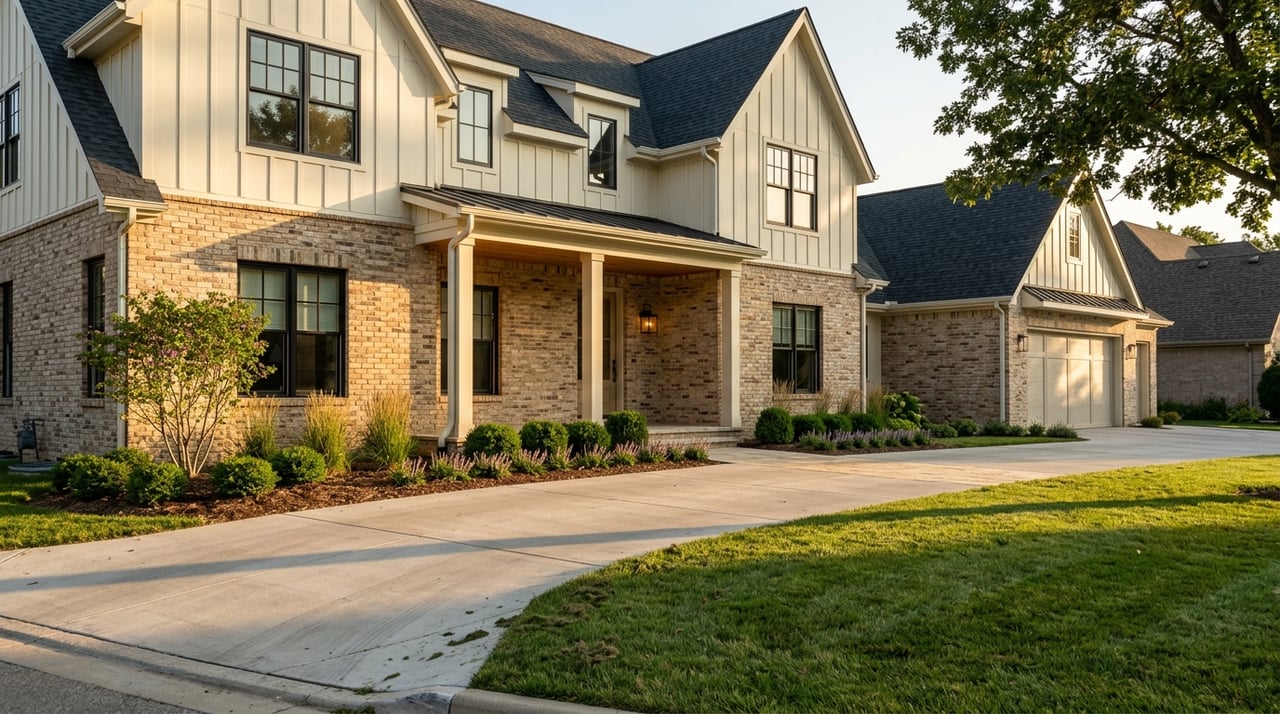
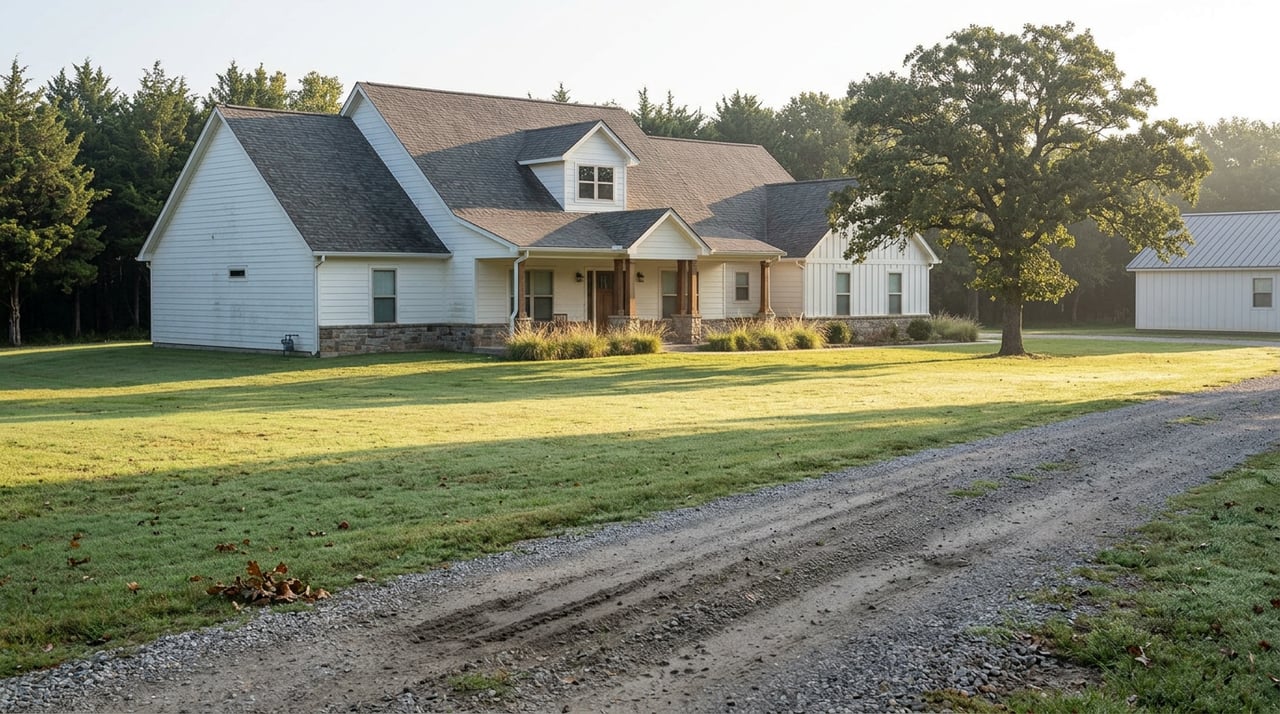
New construction appeals to many buyers because everything feels fresh. You may get a more current floor plan, lower early maintenance, and the chance to choose some finishes depending on the stage of construction. For buyers who want a newer layout and can wait for completion, that can be a strong advantage.
In Edmond, new construction also moves through a formal city process. The city states that ground-up residential construction requires plans and separate electrical, plumbing, and mechanical permits. Edmond also uses the 2018 ICC family of codes for permits applied for or issued on or after August 14, 2023.
That local process is one reason build timelines can shift. Before work moves forward, plans and permits may need review, and some projects may also involve engineering review and approval before a permit or Notice to Proceed is issued. If you are considering a new build, patience and careful timeline planning matter.
One of the biggest mistakes buyers make is focusing too much on the base price. With new construction, the all-in number is what matters most.
That total may include:
Builders may require an upfront deposit, so it is important to ask when that money is refundable. It is also worth remembering that you do not have to use a builder’s affiliated lender. Shopping financing options can help you compare the real cost of the deal.
Before you commit to new construction in Edmond, ask clear questions about the pieces that affect your budget and timeline.
Key questions include:
These questions can help you compare one builder to another and compare new construction to a resale home more accurately.
A builder warranty can be a real benefit, but it helps to know what it does and does not cover. The FTC says many newly built homes include a builder warranty with about one year for workmanship and materials, two years for HVAC, plumbing, and electrical, and sometimes up to 10 years for major structural defects.
At the same time, warranties have limits. Some require mediation or arbitration, and they often do not cover temporary living costs during repairs. In Oklahoma, a Residential Service Agreement is optional and does not replace your inspection rights.
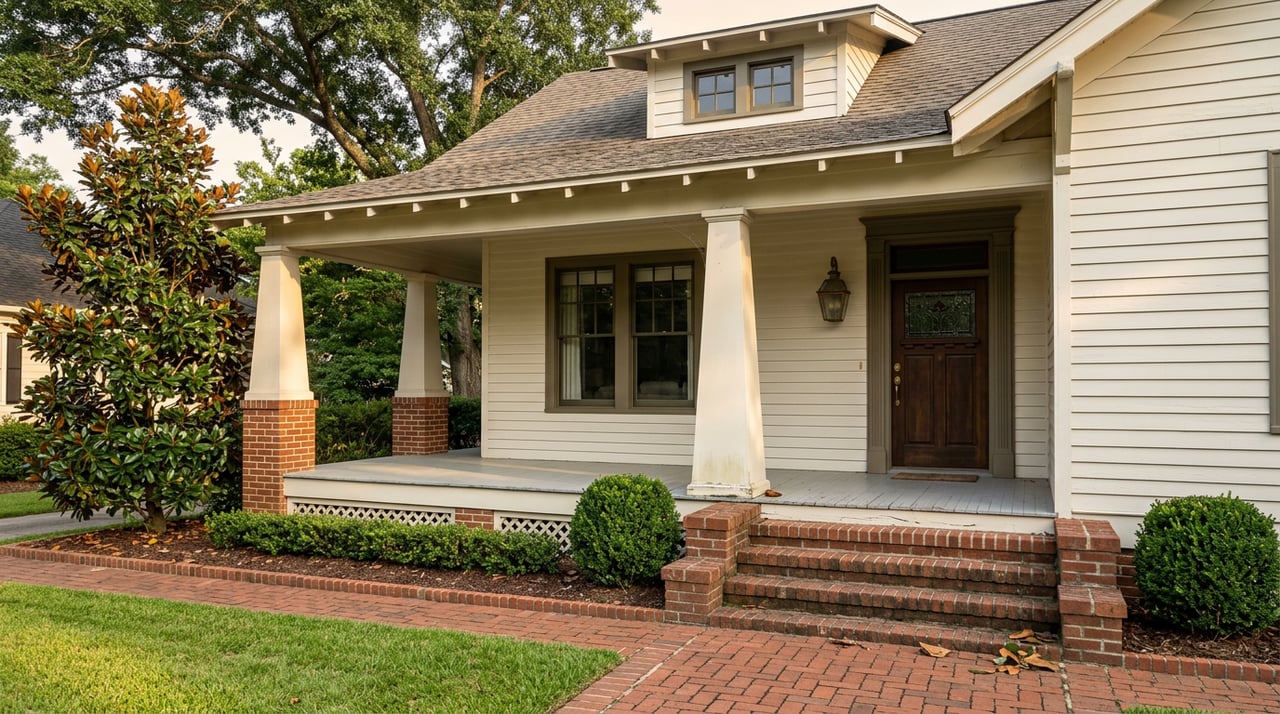
A resale home gives you something new construction usually cannot: you can see the actual finished product before you buy it. That means you can walk the floor plan, evaluate the lot, and get a more direct feel for condition, layout, and updates. For many buyers, that makes the decision feel more concrete and less speculative.
Resale can also be the faster route to moving in. Recent Edmond market trackers show homes selling in roughly 20 to 29 days on average, depending on the source. If you need a shorter move-in window, resale may fit your timeline better than waiting on construction, permits, and completion.
The tradeoff is that resale homes usually require more condition-based due diligence. Unlike many new homes, a resale may be outside a builder warranty, so your inspection period becomes one of your most important protections.
HUD advises buyers to inspect the structure, roof, HVAC, water source and quality, pests, foundation, doors, windows, ceilings, walls, floors, and mechanical systems. A financing contingency and satisfactory inspection contingency can also give you options if major issues come up.
A home warranty or service contract may be offered in some transactions, but it is not the same thing as a builder warranty. In Oklahoma, a limited home warranty does not replace your inspection rights. That is why it is so important to use the due diligence period carefully.
When you are comparing resale options in Edmond, try to get specific answers about age, maintenance, and repairs.
Helpful questions include:
These answers can help you estimate near-term costs and avoid surprises after closing.
If you are still weighing both options, this simple comparison can help.
| Factor | New Construction | Resale |
|---|---|---|
| Move-in timing | Usually longer due to build and permit timelines | Often faster if you need quicker possession |
| What you can see | May depend on plans, selections, or model homes | You can see the actual finished home |
| Upfront pricing | Base price may not include all final costs | Price is tied to the actual home condition and features |
| Early maintenance | Often lower at first | May be higher depending on age and upkeep |
| Inspection focus | Contract terms, completion, punch list, warranty | Condition, repairs, systems, and deferred maintenance |
| Flexibility | May allow some design choices | Limited customization unless you renovate later |
The best choice is usually not about which option is better in general. It is about which option fits your priorities better.
Choose new construction if you care most about a newer layout, lower early maintenance, and the ability to wait for completion. This path can work well if you want something more current and are comfortable watching the timeline closely.
Choose resale if you care most about faster possession and seeing the exact home before closing. This option can make sense if timing matters and you want a clearer picture of what you are buying from day one.
In either case, come back to the same three questions:
Those three answers usually point you in the right direction.
This is where a strong buyer process can make a big difference. In Oklahoma, contracts can address added terms through the Additional Provisions section, and inspection rights remain important whether you are looking at a builder contract or a resale purchase.
For new construction, good guidance can help you review deposit refund terms, lender restrictions, permit status, and warranty language before you commit. For resale, it can help you organize inspections, negotiate repairs or credits, and make sure the contract matches the timeline and terms you actually want.
When you are making a major financial decision, clarity matters. The right support can help you compare homes on more than just looks and make a decision you feel good about long after closing.
If you are weighing new construction versus resale in Edmond, David Oberfield can help you compare the real costs, timelines, and contract details so you can move forward with confidence.
Stay up to date on the latest real estate trends.
Experience a real estate partnership built on trust, expertise, and genuine care. We bring a lifelong understanding of what “home” truly means to every client and every decision. Making the difference between "For Sale" and "Sold".