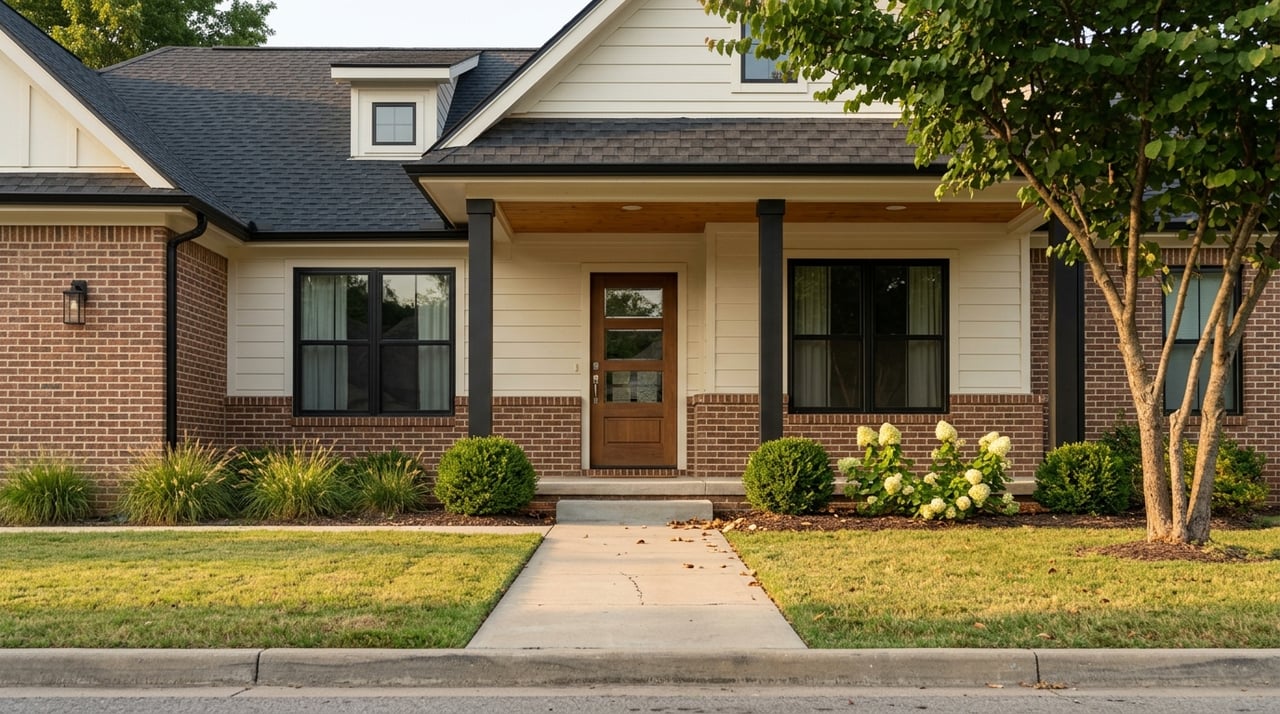
Where First-Time Homebuyers Should Look in Norman
May 21, 2026
May 21, 2026
Buying your first home in Norman can feel exciting and overwhelming at the same time. You want a neighborhood that fits your budget, commute, and daily routine, but Norman is not a one-style city with one easy answer. The good news is that once you understand how Norman’s neighborhoods tend to differ, your search gets much clearer. Let’s dive in.
Norman covers about 197 square miles, which means your options can look very different from one part of the city to another. Some areas are closer to Downtown Norman with older homes and shorter errand trips, while other areas offer a lower-density feel with more space and more driving.
The city’s planning framework reflects that range. Norman includes Core Area neighborhoods as well as Urban Low, Urban Medium, Urban High, Urban Reserve, Rural Residential, and Agricultural Residential areas. For you as a first-time buyer, that means it helps to think about Norman as a spectrum rather than one single housing market.
Before you compare neighborhoods, set a working price range. Recent data places Norman roughly in the high-$200,000s to low-$300,000s, depending on the source and how that source measures pricing.
MLSOK reported a 2025 median sales price of $280,000. Redfin showed a $283,000 median sale price last month, while Zillow reported an average home value of $262,839 as of March 31, 2026. Since those numbers use different methods, it is smart to treat them as a planning band instead of expecting one exact number to guide your search.
If down payment is your biggest hurdle, Norman buyers may have public assistance options worth reviewing.
The City of Norman launched a down payment assistance program in April 2026 for eligible low- to moderate-income buyers purchasing in Old Silk Stocking, Original Townsite, or First Courthouse. The program offers up to $14,999 in assistance and includes a five-year primary-residence requirement for full forgiveness.
Statewide, OHFA also offers down payment and closing cost assistance products through participating lenders. Those programs can be used by first-time or repeat buyers on new construction or existing homes, with assistance up to 3.5 percent of the loan amount.
One of the easiest ways to narrow your search is to group Norman neighborhoods by feel and housing pattern. For many first-time buyers, three broad categories are the most useful.
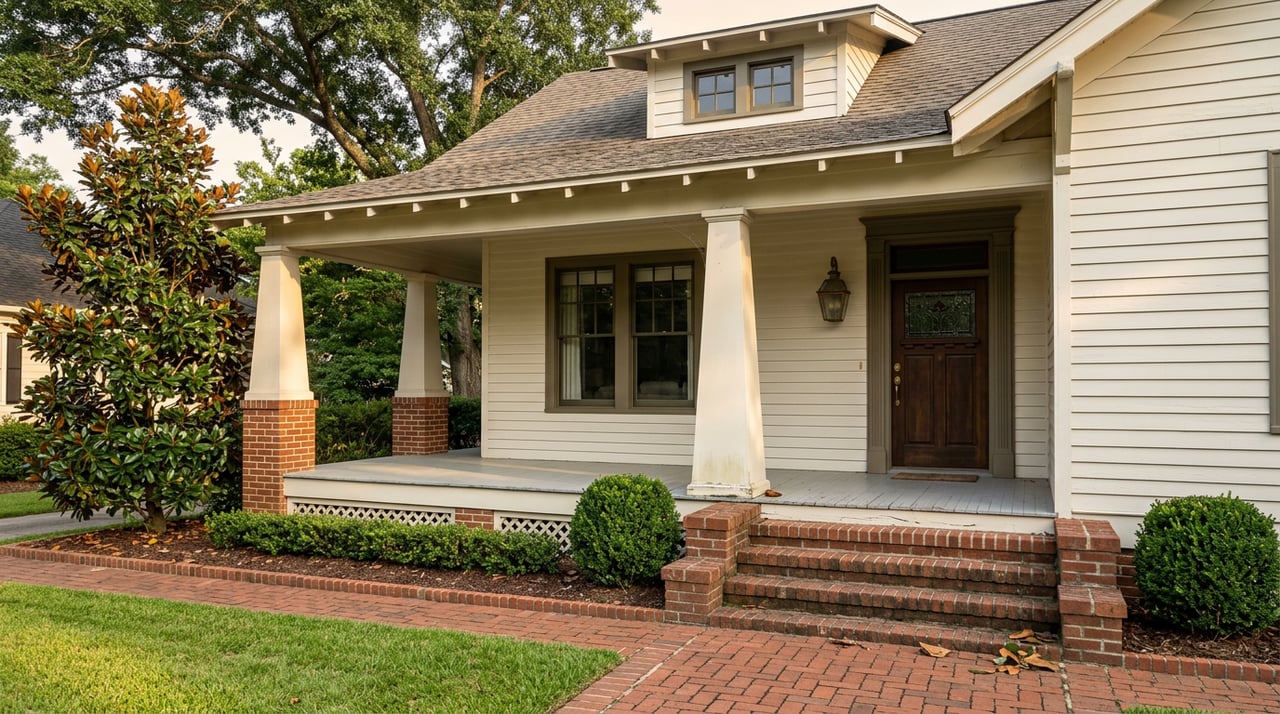
If you love character, mature trees, and being closer to Downtown Norman, older core neighborhoods may stand out. These areas often offer older lots, established street patterns, and quicker access to everyday services.
Old Silk Stocking is one of the clearest examples. The city describes it as an early-20th-century residential district with mature trees, angled streets, triangular blocks, and close proximity to Downtown Norman and Norman Regional Hospital.
Original Townsite also gives buyers a broad range of ages and home types. Housing there dates from 1889 to 2024, though most structures were built from 1920 to 1950. The neighborhood notes walkable access to daily services, along with more traffic and commercial pressure near Porter, Main, and Alameda.
First Courthouse has a strong single-family pattern, mature trees, sidewalks, and close proximity to Downtown and the Porter Avenue corridor. For a first-time buyer, these core areas can offer convenience and charm, but they also make location details more important from block to block.
If you want an established feel without focusing only on the oldest housing stock, mid-century and mixed-age neighborhoods may offer a helpful middle ground. These areas can balance central location, practical layouts, and more variety in home age and style.
Lions Park includes about 350 homes built mainly between 1920 and 1955. It is known for narrow streets, modest houses, and access to nearby everyday services and public space.
Bishop Creek offers a broader mix, with homes built from 1950 to 2000 and many from the 1950s and 1960s. You may see small postwar homes, ranch-style properties, contemporary houses, and a 1990s subdivision. It is also a reminder that even in a central area, wide streets and busy arterials can shape how walkable or car-friendly a home feels.
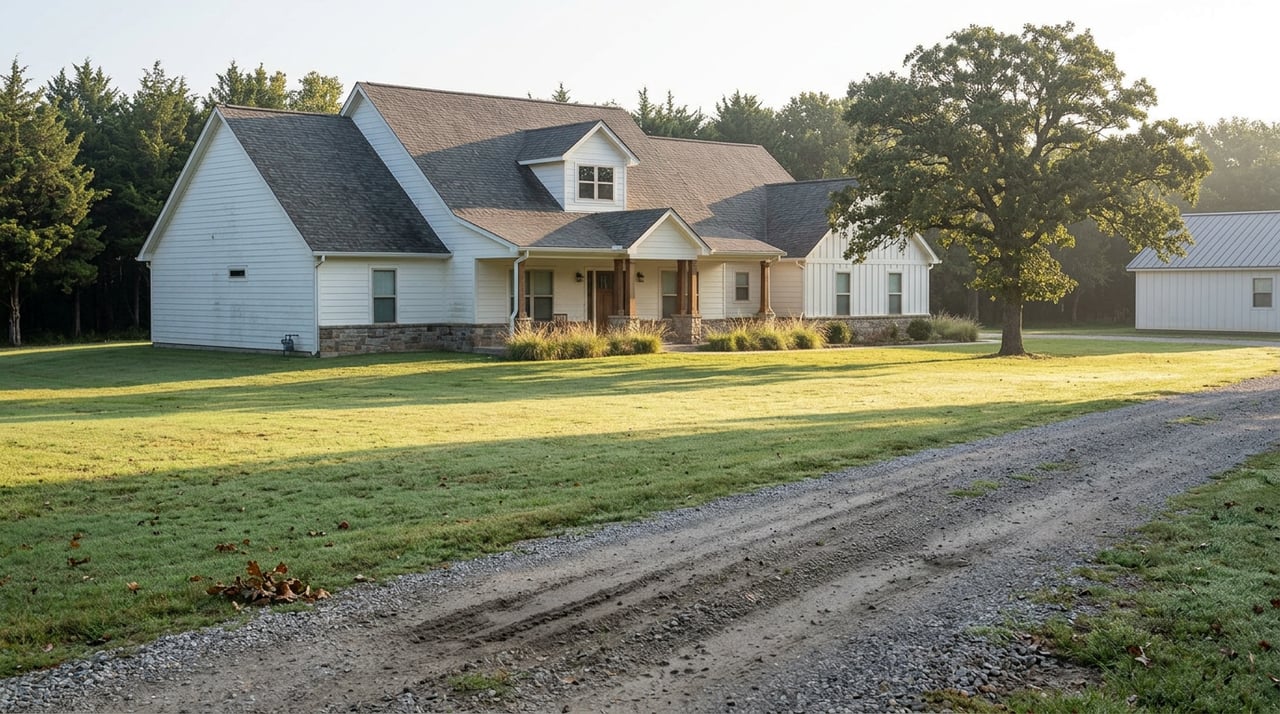
As you move farther from the core, Norman’s land-use patterns shift toward Rural Residential, Agricultural Residential, and Urban Reserve areas. These areas may appeal if you want more space or a less urban setting.
The tradeoff is usually convenience. You may gain larger lots and a quieter feel, but you may also give up some walkability, transit access, and short-trip access to shopping, medical services, or everyday errands.
Many first-time buyers focus on the house first and the commute second. In Norman, it is usually better to weigh both at the same time.
Norman connects to Interstate 35 and has local interchanges at Indian Hills Road, Robinson Street, Lindsey Street, SH-9, and Main Street. If you commute within Norman or toward Oklahoma City, those road connections can make a big difference in your day-to-day routine.
Norman also offers fare-free local fixed transit routes, evening and Sunday microtransit through Norman On-Demand, and a weekday Norman Express commuter route to downtown Oklahoma City. If you want more flexibility or a lighter dependence on your car, it helps to check both street access and nearby transit options before you fall in love with a listing.
A good first home is not just about square footage. It is also about how easily the location supports your routine.
Norman says transit reaches shopping, businesses, neighborhoods, recreation, government services, and medical services. The city also maintains 67 neighborhood and community parks, which adds another layer to how different parts of town may fit your lifestyle.
Core neighborhoods like Old Silk Stocking, Original Townsite, and First Courthouse sit near Downtown Norman, Norman Regional Hospital, and the Porter Avenue corridor. That can mean easier access to services, but it can also mean more traffic or activity than you might find farther out. Knowing which tradeoff matters more to you can save time and stress.
When you start browsing homes online, avoid relying on price alone. In Norman, neighborhood fit often comes down to details that are easy to miss in a quick search.
Focus your filters on:
That last point matters more than many first-time buyers expect. In core areas especially, traffic, noise, and nearby commercial expansion can affect how a home feels over time.
A single citywide search can get messy fast. If your budget could fit more than one type of neighborhood, separate your alerts by neighborhood style.
For example, you may want one search for older core homes, one for central mixed-age neighborhoods, and one for lower-density edge areas. That keeps your expectations cleaner and helps you react faster when the right kind of listing appears.
A home tour is your chance to learn what the photos do not show. In Norman, that matters even more in older neighborhoods or near major corridors.
Some of the most useful questions include:
These questions can help you look past staging and focus on long-term fit. They are especially useful in areas where traffic, redevelopment pressure, or creek-adjacent flood-management concerns may shape your experience.
If you want the shortest version of this guide, here it is.
Older core neighborhoods may fit you best if you want character, mature trees, and easier access to downtown services. Central mixed-age neighborhoods may make sense if you want an established setting with a wider range of home styles and eras. Outer-edge areas may be worth a closer look if you want more space and do not mind more driving.
Your first home does not have to check every box forever. It just needs to fit your budget, your routine, and your comfort level with the tradeoffs that come with each part of Norman.
If you want help sorting through Norman neighborhoods, comparing listings, and building a plan that feels clear from day one, reach out to David Oberfield. You will get practical guidance, organized next steps, and a team that knows how to help first-time buyers move forward with confidence.
Stay up to date on the latest real estate trends.
Experience a real estate partnership built on trust, expertise, and genuine care. We bring a lifelong understanding of what “home” truly means to every client and every decision. Making the difference between "For Sale" and "Sold".