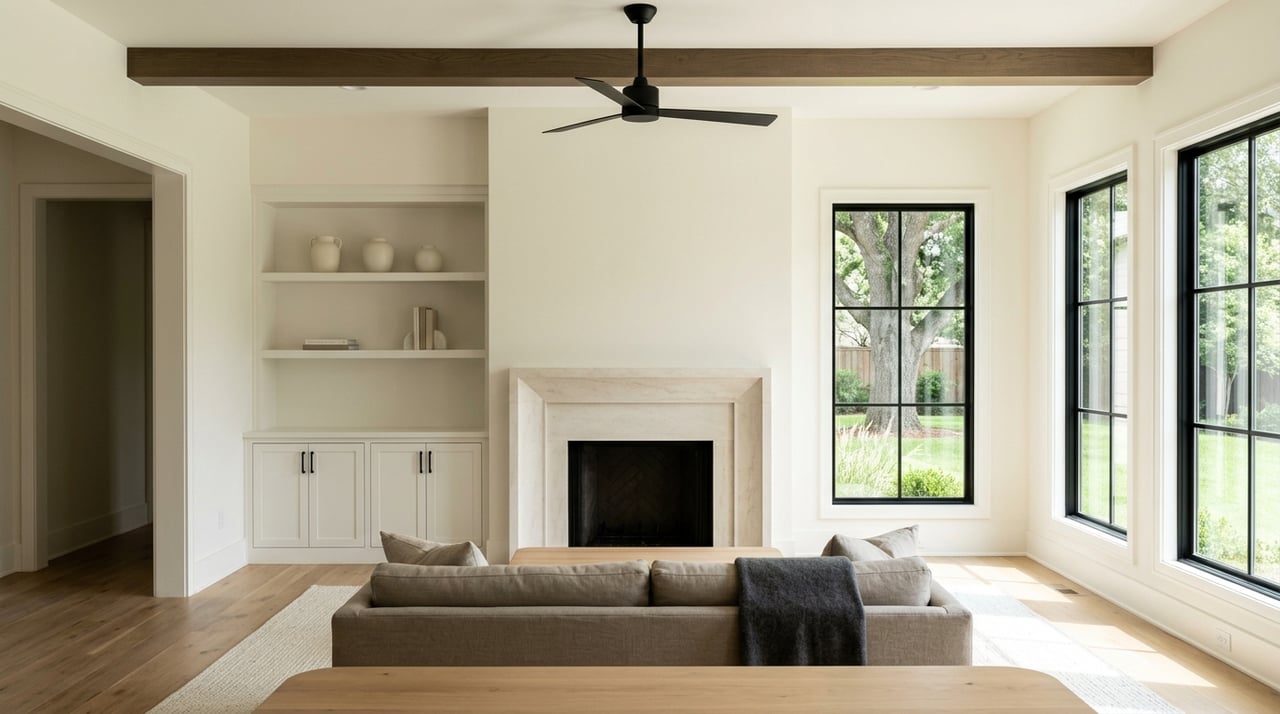
Move-Up Buyer Guide for Moore, OK Without the Stress
May 28, 2026
May 28, 2026
Feeling cramped in your current home but worried about juggling two transactions at once? If you are planning a move-up purchase in Moore, that stress is completely understandable. The good news is that with the right plan, you can line up your sale, your next home, and your timeline in a way that feels much more manageable. Let’s walk through how to make a move-up move in Moore with more clarity and less pressure.
Moore is an active market, and that can raise the stakes for move-up buyers. Recent spring 2026 data shows some variation by source, but the big picture is consistent: homes are moving, and buyers and sellers need to be prepared.
Redfin reported a March 2026 median sale price of $235,000 with an average of 55 days on market. Zillow reported an average home value of $223,483 as of April 30, 2026, with homes going pending in around 17 days, while Realtor.com reported 381 homes for sale, a median listing price of $249,900, and 39 median days on market in April 2026.
Those numbers do not mean every home will sell instantly or that every buyer must rush. They do mean that if you wait to make decisions until emotions take over, the process can get harder fast. A move-up purchase works best when you build the plan before the pressure starts.
Before you look seriously at your next home, get clear on what you can comfortably afford. That includes your likely sale proceeds, your down payment strategy, your monthly payment target, and your cash needed for closing and moving costs.
The Consumer Financial Protection Bureau recommends meeting with multiple lenders and getting preapproved before you shop. It also makes sense to keep that budget updated as your search moves forward, especially if your current home value, rates, or monthly goals shift.
Just as important, try to keep your finances steady in the months before you buy. Avoid taking on a car loan, opening new credit cards, or making large purchases on credit if you are preparing for a mortgage.
One of the biggest ways to reduce stress is to prepare your current home before you fall in love with the next one. In a market like Moore, where homes can go pending relatively quickly, early prep gives you more control.
That usually means taking care of the basics before your listing goes live:
When your home is ready before your search gets serious, you are less likely to scramble. You can respond faster when the right property comes up, and your sale side is already moving in the right direction.
There is no one-size-fits-all move-up plan. The right approach depends on your equity, your comfort with risk, your financing, and how competitive the homes are that you want to buy.
A home-sale contingency means your purchase depends on selling your current home first. This can protect you from carrying two mortgages at once, which is a major reason many move-up buyers choose it.
The tradeoff is that contingent offers can be less appealing to sellers in a competitive market. In some cases, a seller may continue showing the property, and a kick-out clause may allow them to accept a stronger non-contingent offer if one appears.
If your current home is already under contract but has not closed yet, a home-close contingency may be another option. This can give you some added protection while showing the seller that your sale is already in progress.
For some buyers, this creates a better balance between caution and competitiveness. It still depends on the seller’s goals and the overall market conditions, but it can be a helpful middle ground.
If you have strong equity and want to act more quickly, a bridge loan may help. This type of short-term financing can help cover a down payment on your next home before your current one sells, and it is then repaid from the sale proceeds.
For the right household, this can reduce reliance on a sale contingency and make your offer stronger. It is not the right fit for everyone, but it is worth discussing with a lender if your main goal is to compete with more flexibility.
A move-up transaction is really a coordination project. You are not just buying and selling. You are also managing financing, inspections, title work, packing, utilities, and possibly school timing too.
The CFPB notes that the loan closing and the home purchase closing typically happen at the same time. That is one reason lender, title, and closing coordination matter so much in a move-up scenario.
A simple timeline often looks like this:
The smoother this timeline feels, the less likely you are to make rushed decisions. Good planning creates options, and options lower stress.
Even with a strong plan, your two closings may not line up perfectly. That is common, and it helps to think through backup options early instead of treating them like a last-minute surprise.
A rent-back agreement may allow you to stay in your current home for a negotiated period after closing. In some situations, an early move-in arrangement may also be negotiated on the purchase side.
If neither of those works, temporary housing may be the practical answer. A short-term rental or a brief stay with family can be far less stressful when it is part of the plan instead of an emergency fix.
If your move involves school-age children, timing is about more than the house itself. Moore Public Schools serves more than 23,500 students across 35 school sites and assigns students based on residence and attendance zones.
That means school logistics are part of your real estate timeline, not a separate task to figure out later. The district’s enrollment materials also reference proof of residency requirements, including items such as a lease or utility bill from the past 30 days, and some pages note that proof of residence must be in the legal parent or guardian’s name.
In practical terms, your closing date, lease start date, or utility activation date may matter just as much as your moving truck schedule. If school timing is part of your move, build those deadlines into your plan from the beginning.
The biggest stress point in a move-up transaction is often not the market itself. It is the uncertainty between steps. You may wonder when to list, when to offer, how aggressive to be, or what happens if one side moves faster than the other.
That is why a structured process matters. The Oberfield Real Estate Team’s approach appears built around clear stages for buying, selling, valuation, and transaction flow, with dedicated support for both sides of the move.
That kind of coordination can be especially valuable when you are trying to price your current home well, prepare it for launch, shop smart on the buy side, and keep everything on track through contract-to-close. Reviews and brand materials consistently highlight responsiveness, clear communication, and steady guidance, which are exactly the qualities many move-up buyers need most.
Moving up does not have to mean moving in chaos. When you know your budget, prep your current home early, choose the right purchase strategy, and plan for timing gaps, the whole process becomes easier to manage.
In Moore, where the market can move quickly and school timing may affect your calendar, preparation is your best stress reliever. A thoughtful plan helps you make decisions with confidence instead of reacting under pressure.
If you are thinking about selling your current home and buying your next one in Moore, David Oberfield can help you map out a clear, step-by-step strategy that fits your goals.
Stay up to date on the latest real estate trends.


Experience a real estate partnership built on trust, expertise, and genuine care. We bring a lifelong understanding of what “home” truly means to every client and every decision. Making the difference between "For Sale" and "Sold".